Restoring Grip To An Ageing Polymeric Sports Surface
10 Nov 2026 10:11

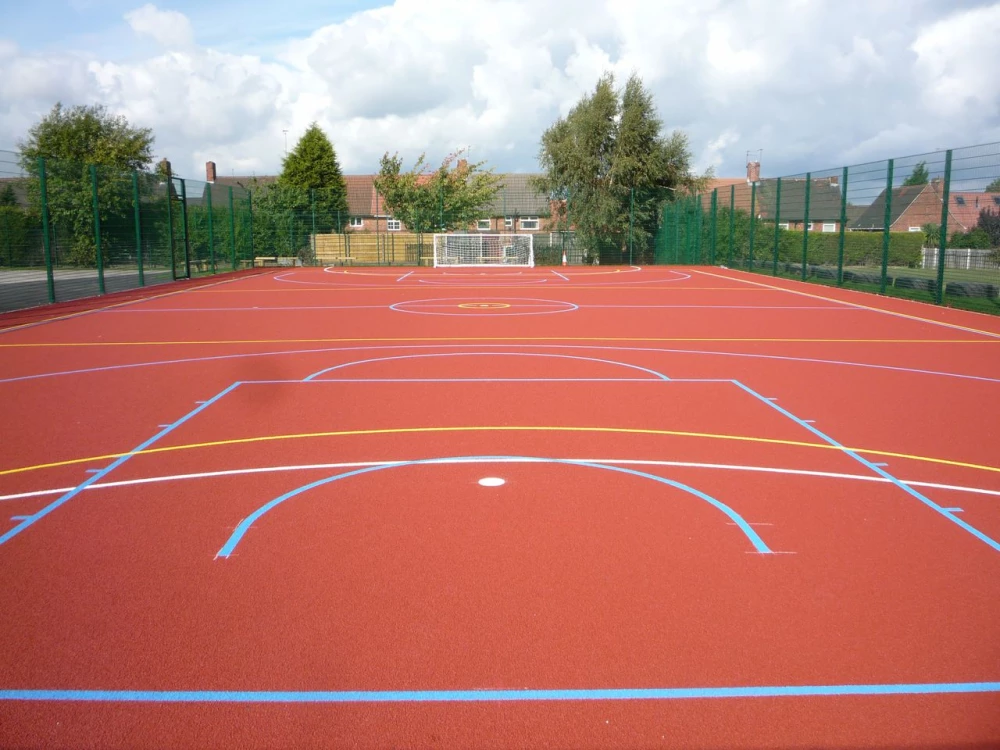
We recently carried out a polymeric sports court resurfacing project at a school in Newcastle upon Tyne. The school wanted to improve an outdoor sports area that had become tired through regular use and exposure to the elements. The court remained an important part of its outdoor provision, but the condition of the surface was beginning to affect the overall quality of the facility.
During our initial discussions, the school explained that it wanted a refreshed playing surface suitable for everyday PE lessons and recreational sports.
We discussed the benefits of polymeric surfacing and, importantly, the need to establish whether the existing base was suitable for refurbishment rather than complete reconstruction.
Before recommending a resurfacing system, we needed to consider the condition of the existing surface.
Outdoor sports courts experience considerable wear over time. Repeated foot traffic, changes in temperature, rainfall and general weathering can gradually affect the surface texture and appearance. Cracking, localised deterioration and fading line markings can all indicate that refurbishment may be needed.
However, the condition of the visible surface does not tell the whole story. An existing court may have an underlying asphalt or concrete base, and its suitability for resurfacing depends on factors such as stability, drainage, surface regularity and the extent of any defects.
We discussed these considerations with the school and explained that any loose, damaged or unsuitable sections would need to be addressed before the new finish could be applied. Simply coating over underlying problems could lead to defects reappearing through the refurbished surface.
The intention was to retain the existing construction wherever it was suitable, avoiding unnecessary removal and reconstruction while ensuring that the finished court would have a sound foundation.
Once the approach had been established, the next stage involved preparing the court.
Surface preparation is essential for polymeric sports surfacing because the new materials need a suitable substrate to achieve the required bond and finish. Depending on the existing condition, preparation can include cleaning, removing loose material, treating defects and carrying out localised repairs.
Any cracks or damaged areas must be assessed to determine their likely cause and the appropriate repair method. Active movement in the underlying base, for example, may require more than a simple surface treatment. Drainage issues also need to be considered before resurfacing begins.
We ensured that the existing court was assessed with these factors in mind before progressing to the new surface system.
Polymeric sports surfacing commonly uses rubber granules bound with polyurethane resin to create a resilient, textured finish. The precise construction varies between systems, with the specification selected according to the intended sports, required performance and condition of the substrate.
For a school environment, the finished surface needs to balance durability with suitable playing characteristics. The preparation and installation methods must therefore follow the requirements of the selected system rather than relying on a generic application approach.
With the existing court suitably prepared, the resurfacing work could proceed.
Polymeric materials are generally installed in a controlled sequence to achieve an even finish and consistent surface characteristics. The substrate must be in an appropriate condition, and weather conditions need to be suitable for the products being applied.
Temperature, moisture and rainfall can all affect installation. Applying resin-bound materials when conditions fall outside the system manufacturer's recommendations can compromise curing or adhesion, so scheduling outdoor work requires careful consideration.
During application, attention is given to maintaining consistent coverage and an appropriate surface texture across the playing area. Particular care is also needed around court edges, perimeter details and any existing features that must be retained.
Once the surface work has been completed, the court markings can be reinstated in accordance with the agreed layout and the requirements of the intended sports. Accurate line marking is important on multi-use games areas, where different colours may be used to distinguish separate court layouts.
The final curing period must also be observed before the surface is opened for use. This allows the materials to develop the properties required by the specified system and helps prevent premature damage.
Working at a school requires careful coordination, as outdoor courts are often used for lessons, clubs and break-time activities.
For a relatively straightforward polymeric resurfacing project, the physical installation may take several working days, depending on the court's size, the extent of preparation and the number of surface layers required. Additional time must be allowed for repairs, weather-related delays and curing before the court can be reopened.
This is one reason why resurfacing is often considered during school holidays or other periods when the facility can remain closed without affecting the timetable.
Newcastle upon Tyne's changeable weather also makes suitable working conditions an important consideration for outdoor surfacing. If the substrate is wet or rain is forecast during a critical installation stage, postponing the application may be necessary to protect the quality of the finished work.
We planned the project around the preparation, application and curing requirements, keeping the school's need for a dependable, refreshed sports facility in mind throughout the process.
The purpose of the refurbishment was to make better use of the school's existing sports infrastructure by improving the playing surface without automatically resorting to a full rebuild.
Polymeric surfacing can provide a durable and resilient finish for a range of outdoor sporting activities when correctly specified and installed over a suitable base. It can also help restore the appearance of a court, particularly when fresh line markings are incorporated into the completed scheme.
Nevertheless, resurfacing is not appropriate for every court. Where the underlying construction has significant structural defects, persistent drainage problems or extensive movement, more substantial remedial work may be required before a new surface can be considered.
Routine maintenance remains important after completion. Keeping the court clear of leaves and debris, monitoring drainage and arranging periodic inspections can help identify emerging problems and maintain the playing surface.
For schools and sports facilities, polymeric resurfacing can be a cost-effective option when the existing base remains suitable and the main requirement is to renew the surface.
We undertake sports surfacing and refurbishment projects across the UK, helping schools, clubs and other organisations assess their existing facilities and identify appropriate options for improvement.
Whether your court needs localised repairs, new polymeric surfacing or a more extensive refurbishment, the first step is to establish the condition of the existing construction and the performance required from the finished facility.
Contact our team to discuss your outdoor sports court and find out how we can help restore your facility with a suitable resurfacing solution.