Restoring Grip To An Ageing Polymeric Sports Surface
10 Nov 2026 10:11

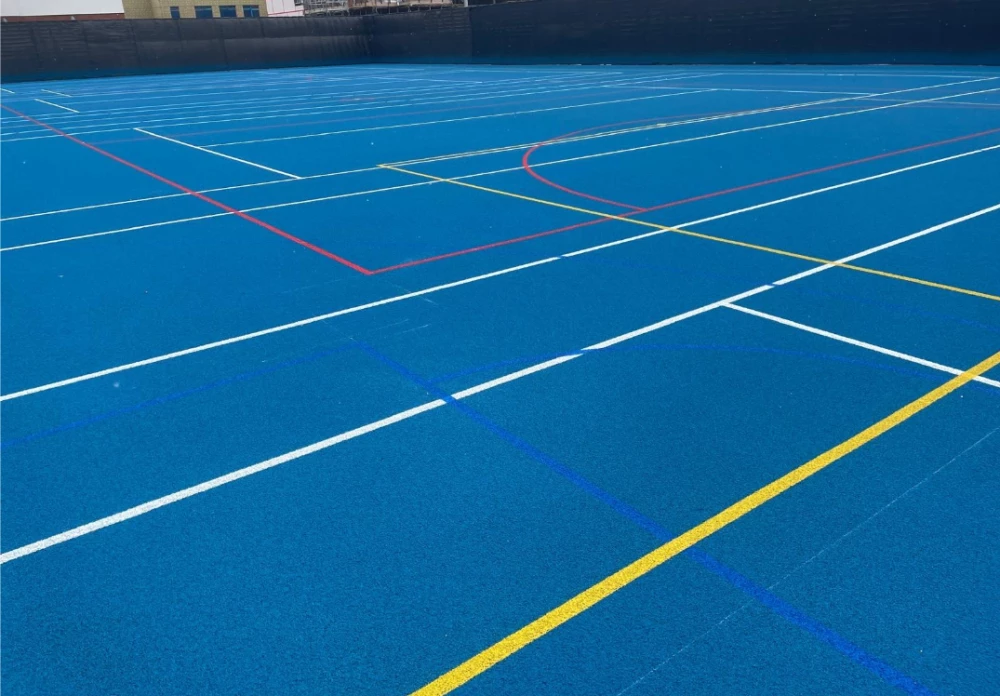
Our team recently completed an EPDM polymeric rubber surfacing installation for an outdoor athletics area in Preston, providing a durable, resilient surface designed to accommodate regular running, sprint training and physical education activities.
The project involved upgrading an existing outdoor sports facility that had become increasingly difficult to maintain. The client wanted a surface that would offer more consistent traction, improved underfoot comfort and reliable performance throughout the year.
Unlike conventional tarmac or concrete, a polymeric rubber system provides a degree of elasticity that makes it particularly suitable for athletics facilities. We recommended an EPDM rubber wearing course installed over a suitable bound rubber base layer, creating a continuous sports surface designed for repeated athletic use.
When we first visited the facility in Preston, the client explained that the outdoor athletics area was used by a mixture of younger athletes, recreational runners and organised training groups.
The existing surface had become worn in several locations, particularly along the most frequently used running sections. There were also areas where the surface texture had deteriorated, making it harder to maintain consistent grip during training sessions.
During our discussions, the facility manager raised concerns about the amount of maintenance being required to keep the area operational.
They were particularly interested in a replacement that could withstand regular foot traffic and running activity without requiring frequent resurfacing.
We explained the benefits of an EPDM polymeric sports surface, including its resilient properties, weather resistance and suitability for outdoor athletics applications.
After reviewing the proposed specification, the client agreed to proceed with a new polymeric rubber system, with the installation arranged around their existing training timetable.
Before commencing the works, we assessed the condition of the existing substrate and established the requirements for the replacement surface.
The proposed system consisted of an SBR rubber base layer and a coloured EPDM wearing course, both bound using specialist polyurethane resin.
The SBR base layer was designed to provide structural resilience and contribute to the shock-absorbing properties of the completed system.
The EPDM wearing course would provide the final running surface, offering a consistent texture and good resistance to outdoor weathering.
We selected a traditional red finish for the athletics area, as the client wanted a familiar sports facility appearance that would complement the surrounding outdoor environment.
The overall thickness and performance specification were considered in relation to the intended athletics activities, rather than using a standard playground wet pour specification.
The installation was scheduled to take approximately six working days, excluding any additional curing time required before the facility could reopen.
Our team began by removing the deteriorated sections of the existing surfacing and assessing the condition of the underlying base.
Several localised areas required repairs before the new polymeric system could be installed.
We cleaned the substrate, removed loose material and checked the existing surface levels to identify any irregularities that could affect the finished running area.
Particular attention was given to the drainage falls and perimeter details. Although the new rubber surface would provide a resilient finish, it was important that the supporting construction remained stable and did not allow water to accumulate beneath the system.
Once the necessary repairs had been completed, we applied the appropriate primer where required to promote adhesion between the prepared substrate and the rubber layers.
With the preparation complete, our installers began laying the SBR rubber base layer.
The rubber granules were mixed with a compatible polyurethane binder using specialist mixing equipment, ensuring the materials were evenly coated before installation.
The mixture was then distributed across the prepared area and carefully levelled to the specified thickness.
Our team used hand-trowelling and appropriate laying techniques to achieve a uniform finish, maintaining consistent levels throughout the athletics area.
After the base layer had cured sufficiently, we proceeded with the coloured EPDM wearing course.
This stage required particular care because the final surface texture would directly influence the feel and performance of the running area.
The EPDM granules were mixed with binder and installed in controlled sections, allowing our team to maintain consistent thickness and avoid noticeable transitions between working areas.
We also took care to prevent contamination of the freshly laid rubber, as loose debris or moisture could affect the finished appearance and surface quality.
One of the more unusual aspects of this project was the need to coordinate the works with the facility's regular athletics programme.
The client initially hoped to retain access to part of the area during the installation, but we explained that this would not be practical while the rubber layers were being mixed, laid and cured.
Instead, we agreed on a temporary closure that allowed our installers to work across the entire surface without interruption.
The facility manager arranged alternative training activities during the closure period, and we provided updates as the project progressed.
By the fifth working day, the main rubber installation had been completed, leaving the final day for detailing, inspections and any remaining finishing works.
The client appreciated that the installation had progressed according to the agreed programme, particularly as several training groups were waiting to return to the facility.
Following installation, the polymeric rubber was left to cure in accordance with the manufacturer's guidance.
Before reopening the athletics area, we inspected the surface for consistency, checked the perimeter edges and assessed the overall finish.
We also reviewed the drainage arrangements and ensured that the completed surface was free from obvious defects.
The new EPDM polymeric flooring provided a uniform running area with a resilient feel underfoot, making it suitable for the training activities discussed during the planning stage.
During the handover, we advised the client on routine maintenance, including removing debris, monitoring heavily used sections and avoiding inappropriate cleaning chemicals that could damage the rubber or binder.
The facility manager was pleased with the completed installation and the improvement in the overall condition of the athletics area.
This project in Preston demonstrated how a properly specified EPDM polymeric rubber system can improve an ageing outdoor athletics facility while providing a practical surface for regular sports use.
From the initial substrate assessment through to the final EPDM installation, our team focused on creating a consistent finish that would accommodate the demands of running and athletics training.
We undertake polymeric rubber sports surfacing installations for schools, athletics facilities, leisure centres and other outdoor sports environments throughout the UK.
Whether you're planning to upgrade an existing athletics area or install a new polymeric running surface, our team can assist with surface preparation, rubber system specifications, installation and ongoing maintenance advice.
Contact us to discuss EPDM polymeric sports surfacing in Preston or elsewhere across the UK.